

dakabin-dental-infected-wisdom-tooth-1200x800.jpg

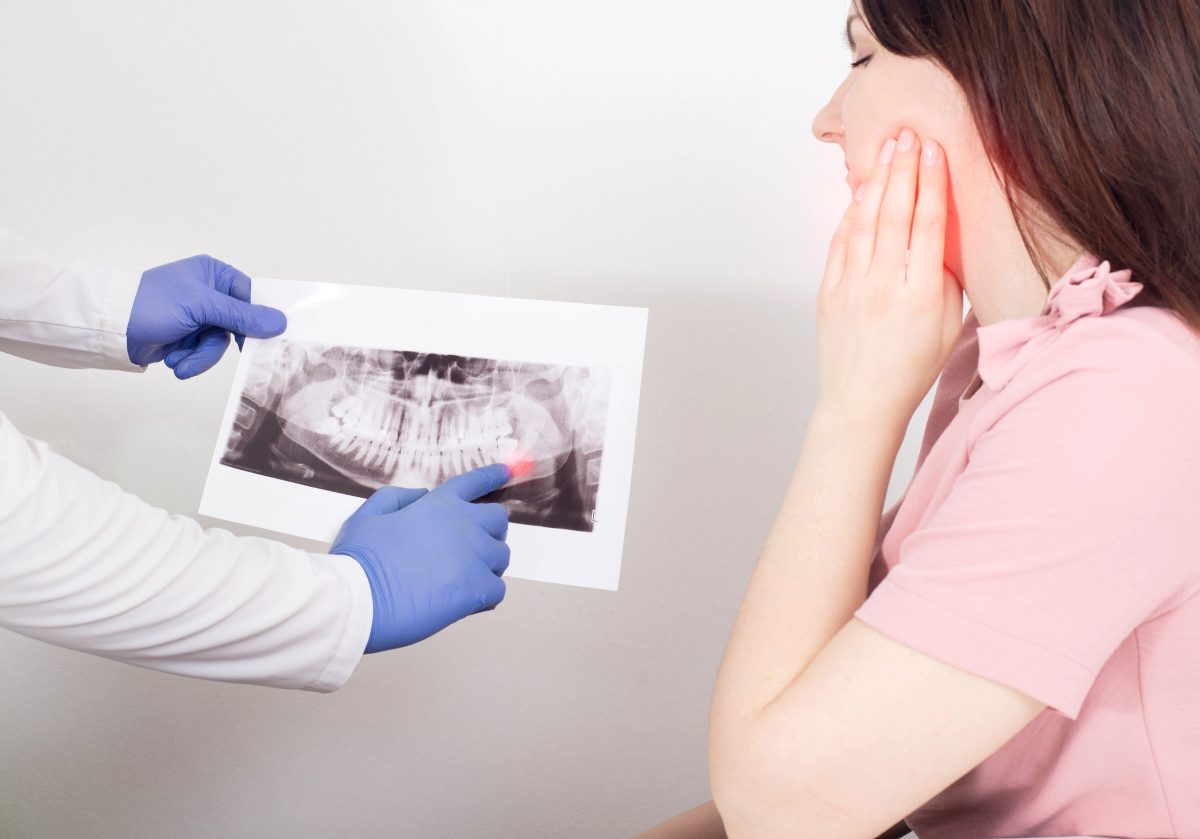
After undergoing wisdom tooth surgery, it’s crucial to monitor your oral health carefully to ensure a smooth and infection-free recovery. While complications are relatively rare, it’s essential to be aware of potential signs of gum infection. Recognising signs of gum infection after wisdom tooth surgery early on can help you to avoid complications. Ensure a swift resolution to any potential issues by following your post-op information. 

Let’s delve into the indicators that may suggest your gums are infected after wisdom tooth surgery, providing you with valuable information on post-operative dental care.

Understanding Wisdom Tooth Surgery

Wisdom tooth surgery, or third molar extraction, is a common dental procedure aimed at removing problematic wisdom teeth that may cause pain, overcrowding, or other dental issues. 

Despite its routine nature, any surgical procedure carries a risk of infection, and wisdom tooth surgery is no exception. Understanding the potential risks and being vigilant about post-operative care is essential for a complication-free recovery.

You can find out more information about wisdom teeth and wisdom tooth surgery in our blog “Understanding Wisdom Teeth and Oral Health”. 

Common Signs of Gum Infection

1. Persistent Pain and Swelling

One of the primary indicators of gum infection after wisdom tooth surgery is persistent pain and swelling around the surgical site. While some discomfort is normal in the initial days following surgery, worsening pain and swelling beyond the expected timeframe may suggest an underlying infection.

2. Foul Odour or Taste

An unpleasant odour or taste in your mouth, especially around the surgical area, can be a sign of infection. Bacterial growth in the gums may produce a distinct smell or taste that indicates a problem that requires attention.

3. Fever and Fatigue

Systemic symptoms, such as fever and fatigue, may accompany a gum infection. If you experience these symptoms after wisdom tooth surgery, it is crucial to consult with your dentist promptly, as they could indicate an infection spreading beyond the surgical site.

4. Pus or Discharge

Any discharge of pus from the surgical site is a clear sign of infection. Pus is a result of the body’s immune response to bacterial presence, and its presence should not be ignored.

Australian Dental Care Statistics

In Australia, dental care is a significant aspect of overall healthcare. According to recent statistics, approximately 34.8% of Australians have untreated tooth decay, emphasising the importance of proactive dental care. While infections after wisdom tooth surgery are rare, timely recognition and intervention are crucial for minimising complications.

Post-Operative Care and Infection Prevention

Follow Post-Operative Instructions

Your dentist will provide specific post-operative care instructions after wisdom tooth surgery. Adhering to these instructions, including proper oral hygiene practices, will significantly reduce the risk of infection.

Attend Follow-Up Appointments

Regular follow-up appointments with your dentist are essential for monitoring your recovery progress. Any signs of infection can be promptly identified and addressed during these visits.

Avoid Smoking and Tobacco Products

Smoking and tobacco use can impair the healing process and increase the risk of infection. It’s advisable to avoid these products during the post-operative period.

Stay Hydrated and Maintain a Balanced Diet

Proper hydration and a balanced diet contribute to overall health and aid in the healing process. Certain foods may be restricted immediately after surgery, as outlined in our previous blog on foods to eat and avoid after wisdom tooth surgery.

Prevent Gum Infection After Wisdom Tooth Surgery

While complications such as gum infections are uncommon after wisdom tooth surgery, it’s crucial to be vigilant and attentive to any signs of trouble. 

Recognising the early indicators and promptly seeking professional dental care can make a significant difference in the success of your recovery. 

Remember, Value Dental Centres is here to provide support and guidance throughout your dental journey. If you notice any signs of infection or have concerns about your post-operative recovery, do not hesitate to reach out to our experienced team for expert assistance. Your oral health is our priority, and we are committed to ensuring a smooth and complication-free recovery after wisdom tooth surgery.

dakabin-dental-wisdom-tooth-after-care-1200x675.jpg

So, you’ve recently had your wisdom teeth removed, and the post-surgery fog has left you struggling to recall the after-care instructions provided by your dentist. Don’t worry; wisdom tooth surgery can indeed be a daunting experience, leaving you physically drained and mentally exhausted for a few days. 

In this guide, we’ll help refresh your memory and provide a straightforward breakdown of what you can and can’t eat after wisdom tooth extraction surgery. 

What You Can Eat After Wisdom Tooth Surgery

1. Soft Foods

  • Applesauce: A smooth and easy-to-swallow option rich in vitamins and minerals.
  • Yogurt: Packed with protein, yogurt is gentle on the healing gums and aids in recovery.
  • Mashed Potatoes: Easily consumed and offers a comforting texture for post-surgery meals.

2. Blended Soups (luke-warm, not hot)

  • Vegetable Puree Soup: Provides essential nutrients and is easy on the healing site.
  • Bone Broth: Rich in collagen, bone broth supports healing and is gentle on the digestive system.

3. Pudding and Jell-O

  • Vanilla or Custard Pudding: Smooth and gentle, offering a sweet treat without compromising recovery.
  • Jelly: A cool and refreshing option that requires minimal effort to consume.

4. Smoothies

  • Banana Smoothie: Packed with potassium and easily customised with soft ingredients like honey and protein. 
  • Berry Smoothie: Antioxidant-rich and easily sippable, aiding hydration.

5. Oatmeal and Porridge (Luke warm not hot)

  • Instant Oatmeal: Easily prepared and soft on the teeth.
  • Porridge: A warm and soothing option, providing energy without chewing.

Foods to Avoid After Wisdom Tooth Extraction Surgery

1. Crunchy Foods

  • Nuts: Hard to chew and may leave particles that can irritate the surgical site.
  • Popcorn: Small, hard kernels can pose a risk of getting stuck in the healing area.

2. Spicy Foods

  • Hot Sauces: Spices can irritate the surgical site, potentially causing discomfort.
  • Spicy Curry: Avoid any foods with excessive heat that may lead to irritation.

3. Acidic Foods

  • Citrus Fruits: The high acidity in fruits like oranges can be harsh on healing gums.
  • Tomato-Based Sauces: The acidity in tomatoes may cause discomfort during the recovery period.

4. Chewy or Sticky Foods:

  • Chewing Gum: Excessive jaw movement can disrupt the healing process.
  • Caramel/toffee: Sticky and can adhere to the surgical site, potentially causing complications.

5. Carbonated and Alcoholic Beverages:

  • Soda: Carbonation can be uncomfortable, and the sugar content may contribute to infection risk.
  • Alcoholic Drinks: Alcohol can interfere with medications and slow down the healing process.

Avoid Infection and Discomfort After Wisdom Tooth Surgery

In the days following wisdom tooth extraction surgery, a careful selection of foods is crucial for a smooth recovery. Opting for soft, nutrient-rich options ensures adequate nourishment without compromising the healing process. 

Conversely, steering clear of crunchy, spicy, acidic, chewy, or sticky foods minimises the risk of complications and discomfort during this sensitive period. 

For personalised guidance on wisdom tooth extraction recovery and to ensure a seamless healing process, contact Dakabin Dental. Our experienced team is committed to providing comprehensive oral care, including expert advice on post-extraction nourishment. Trust Dakabin Dental for a smooth and professional wisdom tooth extraction journey and get in touch today. 


Dakabin-Wisdom-Tooth-Discomfort-1200x839.jpg

The emergence and extraction of wisdom teeth can be accompanied by discomfort, a common experience that often necessitates practical solutions. Wisdom tooth discomfort can be frustrating and can distract you from daily activities. That’s why it’s important to follow the advice of your dentist to help relieve discomfort. 

Continue reading below to find out what methods you can adopt to alleviate pain associated with wisdom teeth. By adopting these tried-and-true methods, individuals can find relief while awaiting the natural course of their dental development.

Expert Tips To Manage Discomfort Associated With Wisdom Teeth

  1. Saltwater Rinse:

A saltwater rinse is one of the simplest and most effective methods for managing wisdom tooth discomfort. Gargling with warm salt water acts as a natural antiseptic, reducing inflammation and cleansing the affected gum area. This routine not only promotes healing but also provides temporary relief from pain.

2. Over-the-Counter Pain Relief:

Non-prescription pain relievers, such as ibuprofen or paracetamol, are valuable allies in alleviating wisdom tooth pain and swelling. These medications also work to reduce inflammation associated with the removal of wisdom teeth. Pain relievers block pain signals, offering individuals a degree of comfort during this transitional phase.

3. Cold Compress:

For immediate relief from pain and swelling, applying a cold compress to the cheek is a tried-and-tested approach. The cold temperature numbs the affected area, providing a soothing sensation and diminishing discomfort. Applying the compress in 15-minute intervals can effectively manage acute pain associated with emerging wisdom teeth and surgery associated with wisdom teeth removal. 

4. Avoiding Certain Foods:

Dietary adjustments can play a pivotal role in managing wisdom tooth discomfort. Opting for soft, easy-to-chew foods while avoiding crunchy or hard items minimises the risk of irritation and pain. This practical step ensures that the affected area is not subjected to unnecessary stress during the healing process.

After wisdom tooth surgery, your orthodontist should provide you with a list of foods and beverages you can and shouldn’t eat/drink. 

5. Topical Anesthetics:

Over-the-counter gels or patches containing benzocaine can be applied topically to numb the affected gum area. This localised anesthesia offers targeted relief, making it a suitable option for individuals experiencing discomfort, specifically at the site of emerging wisdom teeth.

6. Maintain Oral Hygiene:

Despite the discomfort, maintaining oral hygiene is crucial during the emergence of wisdom teeth. Gentle brushing and flossing around the affected area help prevent bacterial buildup, reducing the risk of infection. Consistent oral care contributes to overall comfort and accelerates the natural healing process.

After wisdom tooth removal, you should still brush your teeth, albeit gently. Avoid the surgery area until the healing process has worked its magic. 

7. Warm Compress:

Alternating between cold and warm compresses can be particularly effective in managing wisdom tooth discomfort. While cold compresses numb the area and reduce inflammation, warm compresses help relax jaw muscles, easing tension and discomfort. This dynamic approach provides a well-rounded strategy for coping with the challenges of emerging wisdom teeth.

Wisdom Tooth Infections in Australia

In Australia, wisdom tooth infections contribute significantly to oral health concerns. Each year, a substantial number of individuals seek dental care due to infections arising from impacted or partially erupted wisdom teeth. 

These infections can lead to symptoms such as swelling, pain, and difficulty opening the mouth. While effective management strategies exist, the prevalence of wisdom tooth infections underscores the importance of proactive oral care and timely professional intervention.

Manage Wisdom Tooth Pain With Dakabin Dental

Effectively managing wisdom tooth discomfort requires a combination of practical strategies and a proactive approach to oral health. While the tips above offer relief, it’s important to remember that individual experiences may vary, and persistent discomfort should prompt consultation with dental professionals.

If you find yourself grappling with ongoing wisdom tooth discomfort or suspect issues with your emerging teeth or after surgery, consider scheduling an appointment with Dakabin Dental. Our experienced team is committed to providing comprehensive dental care, offering tailored solutions to alleviate discomfort effectively. 

Book an appointment with Dakabin Dental today and take a proactive step towards maintaining your oral health during this transitional phase.


impacted-wisdom-tooth-1200x801.jpg

In the realm of oral health, wisdom teeth often play a discreet yet influential role. As we delve into the intricacies of these third molars, it is evident that understanding wisdom teeth and their impact is crucial for maintaining overall oral health. 

Here, we hope to shed some light on wisdom teeth, exploring their potential effects on oral health and the importance of proactive dental care.

The Timing of Wisdom Teeth Eruption

Wisdom teeth, also known as third molars, typically emerge in late adolescence or early adulthood. While some individuals may experience a trouble-free eruption, many encounter challenges as these molars attempt to find their place in the dental arch. Understanding the timing of wisdom teeth eruption is essential for anticipating potential issues.

Potential Complications and Impactions

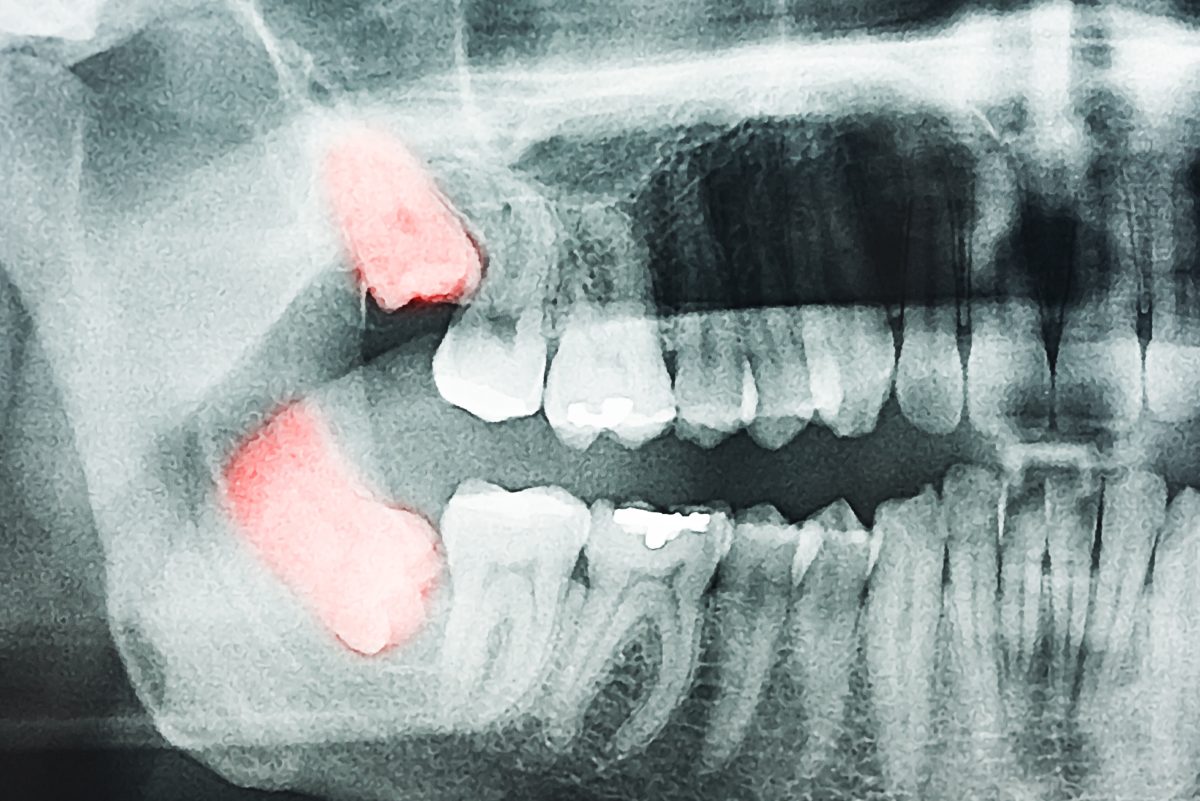
One of the critical areas where wisdom teeth impact oral health is through complications and impactions. The jaw often lacks sufficient space for these late-blooming molars. Because of this, they may become impacted, causing pain, swelling, and increasing the risk of infections. 

The Domino Effect on Surrounding Teeth

Wisdom teeth may seem harmless, but they can cause a chain reaction affecting nearby teeth. If not looked after, they can lead to:

  • Crowding: Wisdom teeth may push against other teeth, causing them to shift and creating a crowded feel in the mouth.
  • Misalignment: The pressure from wisdom teeth can make nearby teeth tilt or rotate, messing up the natural arrangement of the dental arch. This can result in underbites, overbites, or crooked teeth.
  • Damage to Adjacent Teeth: The physical pressure from wisdom teeth can damage nearby teeth, causing cracks, fractures, or even wearing down the enamel. This kind of damage weakens the structure of these teeth and makes them more susceptible to decay and infection.

Understanding these effects is crucial for those dealing with emerging or impacted wisdom teeth. Regular dental check-ups and timely professional care are vital to avoid these problems.

Proactive Management and Professional Intervention

Taking early action is crucial to minimise the impact of wisdom teeth on oral health. Regular dental check-ups let dentists keep an eye on how these molars are developing. With regular checkups your dentist can step in early if any issues arise.

Prioritising Oral Health

As we navigate the complexities of wisdom teeth and their impact on overall oral health, the importance of informed decision-making becomes evident. Proactive management, regular dental check-ups, and professional intervention are key to preserving a healthy smile. Embrace the wisdom in taking action for your oral health today and book an appointment with Dakabin Dental!

If you’re ready to take care of your oral health and learn more about wisdom teeth, schedule an appointment with Dakabin Dental. Our experienced team is here to guide you through check-ups and personalised treatment plans. Contact us today to invest in a healthy smile you can trust.