

drinking-soda-1200x800.jpg

Maintaining optimal dental health is a cornerstone of overall well-being. While regular brushing, flossing, and dental check-ups play crucial roles in preserving healthy teeth, paying attention to dietary habits is equally vital. The impact of Acidic drinks and foods can be detrimental to your dental health. 

Acidic foods and beverages, although often enjoyed for their taste, can negatively affect dental health if consumed excessively. In this blog post, we will delve into the impact of acidic drinks and foods on teeth and offer insights into maintaining a healthy balance.

The Science Behind Acid Erosion

Acid erosion, also known as dental erosion, occurs when the enamel – the protective outer layer of the teeth – is gradually worn down by acids found in certain foods and beverages. 

Although enamel is one of the hardest substances in the human body, it can be vulnerable to acids, leading to decay and sensitivity over time. Acidic substances weaken the enamel, making it more susceptible to damage from brushing and other abrasive actions.

Common Acidic Foods and Beverages

It’s essential to be aware of the acidity levels in various foods and beverages to make informed choices for dental health. Some common examples of acidic items include:

1. Citrus fruits and juices, such as oranges, lemons, and grapefruits

2. Carbonated drinks, including sodas and energy drinks

3. Vinegar-based dressings and pickled foods

4. Wine, both red and white

5. Certain types of tea, especially fruit-flavoured or herbal varieties

6. Tomatoes and tomato-based products, such as sauces and ketchup

While consuming these items in moderation may not pose significant risks, excessive intake can contribute to enamel erosion and other dental issues over time.

Effects of Acidic Foods and Beverages on Teeth

The acidic nature of certain foods and beverages can lead to several adverse effects on dental health, including:

1. Enamel Erosion: 

Acidic substances gradually wear down the protective enamel layer of the teeth, increasing the risk of cavities, sensitivity, and other dental problems.

2. Tooth Sensitivity: 

As the enamel erodes, the underlying dentin becomes more exposed, leading to increased tooth sensitivity to hot, cold, sweet, or acidic stimuli.

3. Tooth Discoloration: 

Acidic foods and beverages can contribute to staining and discolouration of the teeth, diminishing their aesthetic appeal.

4. Increased Risk of Cavities: 

Enamel erosion weakens the teeth, making them more susceptible to decay and cavities.

Tips for Minimising Acidic Damage

While completely avoiding acidic foods and beverages may not be realistic or necessary, there are several strategies to minimise their impact on dental health:

1. Limit Consumption: 

Moderation is key when it comes to acidic foods and beverages. Enjoy them occasionally rather than making them a regular part of your diet.

2. Use a Straw: 

When drinking acidic beverages, using a straw can help minimise direct contact with the teeth, reducing the risk of enamel erosion.

3. Rinse with Water: 

After consuming acidic foods or beverages, rinse your mouth with water to help neutralise acids and wash away residue.

4. Wait to Brush: 

Avoid brushing your teeth immediately after consuming acidic items, as the softened enamel may be more susceptible to damage. Instead, wait at least 30 minutes before brushing.

Maintain Healthy Dental Habits

Maintaining a balanced diet is essential for overall health, including dental health. While acidic foods and beverages can be enjoyed in moderation, excessive consumption can contribute to enamel erosion, tooth sensitivity, and other dental issues. 

By being mindful of acidity levels and adopting healthy dental habits, you can help protect your teeth and preserve your smile for years to come. If you have any concerns about your dental health or dietary habits, don’t hesitate to consult with Dakabin Dental for personalised guidance and advice. Due for a check up? Book an appointment with us today! 
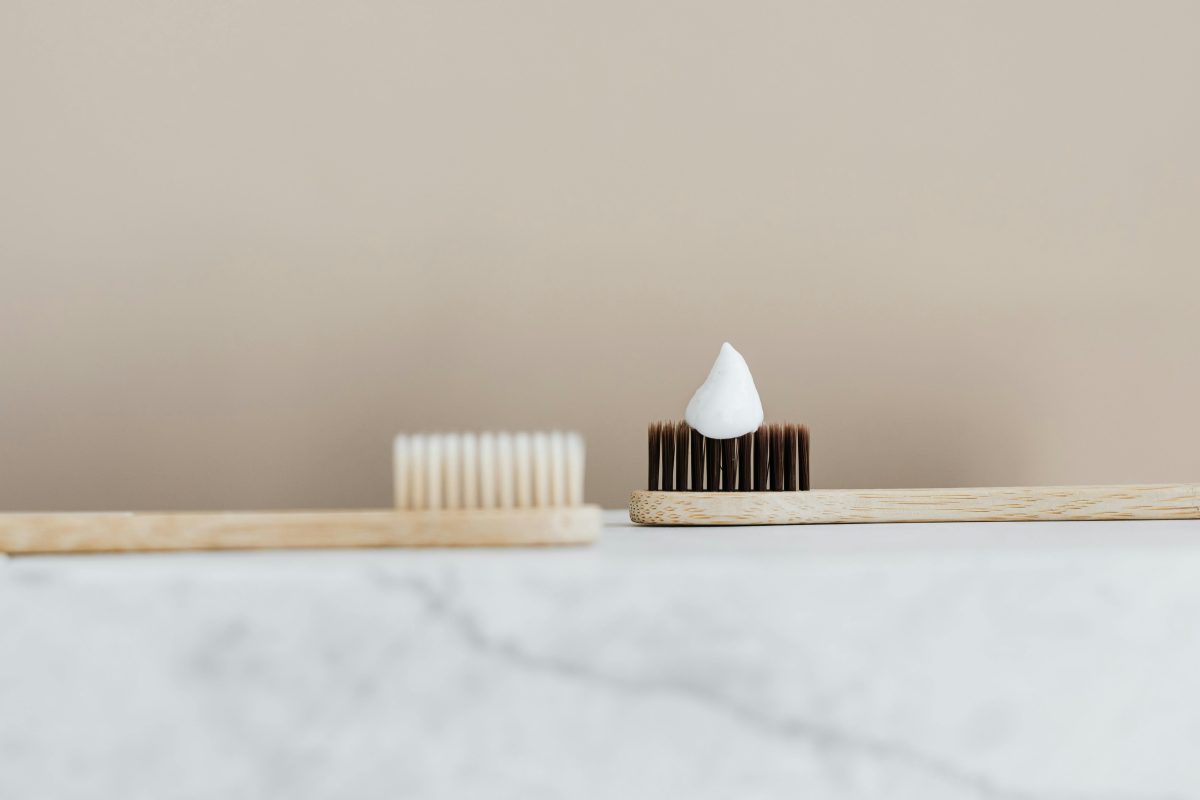

choosing-the-right-toothpaste-1200x800.jpg

Maintaining good oral hygiene is an essential aspect of our daily routine, and choosing the right toothpaste is a crucial step toward achieving a healthy smile.

With so many options available in the market, it’s easy to feel overwhelmed. In this blog, we’ll delve into the world of toothpaste, exploring key factors to consider and shedding light on the importance of making an informed choice.

As a reliable source for dental care, Dakabin Dental recommends a thoughtful approach when selecting your toothpaste.

1. Understanding Your Dental Needs

Before navigating the crowded toothpaste aisle, take a moment to assess your specific dental needs. Not all toothpaste is created equal, and choosing the right toothpaste depends on factors such as sensitivity, gum health, and cavity prevention.

Sensitive Teeth

If you often cringe at the thought of hot or cold beverages, you might be dealing with tooth sensitivity. Look for toothpaste specifically formulated for sensitive teeth. These toothpaste varieties typically contain desensitising agents like potassium nitrate or strontium chloride, designed to alleviate sensitivity over time.

Gum Health

For those focusing on gum health, consider a toothpaste with antibacterial properties. Ingredients like stannous fluoride or triclosan are known for their ability to combat bacteria, promote healthier gums, and prevent issues like gingivitis.

Cavity Prevention

Cavities are a common concern, especially for those with a sweet tooth. Opt for a toothpaste that contains fluoride, a mineral renowned for its cavity-fighting properties. Fluoride strengthens tooth enamel, making it more resistant to the acids produced by plaque bacteria.

2. Understanding Toothpaste Ingredients

Toothpaste labels can be perplexing with their list of ingredients. Familiarising yourself with these components can empower you to make an informed decision.

Fluoride

A staple in most toothpaste formulations, fluoride is pivotal in preventing tooth decay. It strengthens enamel and promotes remineralisation, making it an essential ingredient in your toothpaste.

Abrasive Agents

Some toothpaste contains abrasive agents to help remove surface stains and plaque. While these can be beneficial for maintaining a bright smile, excessive abrasiveness can lead to enamel erosion. Strike a balance by choosing toothpaste with mild abrasives like calcium carbonate.

Antimicrobial Agents

For an added layer of protection against bacteria, look for toothpaste containing antimicrobial agents like triclosan or stannous fluoride. These components help control plaque and fight off harmful bacteria in the oral cavity.

3. Tailoring Your Toothpaste Routine

Finding the right toothpaste is just the first step; understanding how to incorporate it into your dental routine is equally important.

Proper Brushing Techniques

No matter what toothpaste you choose, adopting proper brushing techniques is essential. Brush your teeth for at least two minutes, reaching all surfaces with a soft-bristled brush. Dakabin Dental recommends a gentle circular motion to remove plaque and debris effectively.

Consistency Is Key

Maintaining consistency in your dental routine is crucial for optimal oral health. Brush your teeth at least twice a day, preferably in the morning and before bedtime. Remember to replace your toothbrush every three to four months or sooner if the bristles appear frayed.

What is The Right Toothpaste For You?

Finding the right toothpaste may seem daunting, but with a bit of knowledge and guidance, you can make a choice that aligns with your specific dental needs. The team at Dakabin Dental encourages patients to prioritise oral health and seek professional advice if uncertain about which toothpaste is the best fit. Remember, a well-informed decision today leads to a brighter and healthier smile tomorrow.


sensitive-teeth-1200x800.jpg

Tooth sensitivity, characterised by discomfort or pain when consuming hot, cold, sweet, or acidic foods and beverages, is a common dental issue. While it can be bothersome, understanding the causes and knowing how to alleviate, prevent and reverse tooth sensitivity is essential. 

In this article, we will explore the common causes of tooth sensitivity and provide professional advice on how to address this discomfort.

1. Causes of Tooth Sensitivity

Tooth sensitivity can result from various factors. Understanding the root causes is the first step in finding an effective solution. Here are some common culprits:

  • Exposed Dentin: Dentin is the layer beneath the tooth enamel, and when it becomes exposed due to enamel erosion or gum recession, it can lead to sensitivity.
  • Tooth Decay: Cavities can cause sensitivity, especially if they reach the inner layers of the tooth where nerves are located.
  • Worn Tooth Enamel: Grinding or clenching your teeth, known as bruxism, can wear down enamel over time, leading to sensitivity.

2. Treatment Options

When tooth sensitivity strikes, there are several treatment options to consider:

  • Desensitising Toothpaste: You may have heard of Sensodyne toothpaste? Special toothpaste designed for sensitive teeth can help block pain signals from reaching the nerve. Use it regularly for the best results. 
  • Fluoride Application: Your dentist can apply fluoride varnish or gel to strengthen the enamel and reduce sensitivity.
  • Dental Bonding: In cases of exposed dentin or small cavities, dental bonding can cover sensitive areas, reducing discomfort.

3. Prevention and Maintenance

Preventing tooth sensitivity is often the best approach. Here are some preventive measures to consider:

  • Maintain Good Oral Hygiene: Brushing your teeth with fluoride toothpaste and flossing regularly can prevent tooth decay and gum disease, which can cause sensitivity.
  • Use a Soft-Bristled Toothbrush: A soft-bristled toothbrush is gentler on your teeth and gums, reducing the risk of enamel erosion and gum recession.
  • Avoid Acidic Foods and Beverages: Acidic foods and drinks, like citrus fruits and carbonated sodas, can erode enamel. Limit your consumption or use a straw to minimise contact with your teeth.
  • Wear a Nightguard: If you grind your teeth at night, wearing a nightguard can protect your enamel from further wear.

Your Path to Dental Comfort: Reverse Tooth Sensitivity

Tooth sensitivity can be both uncomfortable and concerning, but with the right knowledge and care, it’s a condition that can be managed and even reversed. Understanding the underlying causes, seeking professional dental care when needed, and practising preventive measures are essential steps to alleviate and prevent tooth sensitivity.

At Dakabin Dental, our team of experienced dental professionals is here to assist you with any concerns related to tooth sensitivity. If you’re experiencing discomfort or have questions about your oral health, we encourage you to book an appointment online today. We are dedicated to providing comprehensive dental care to ensure your comfort and well-being.


8-1.jpg

General dentistry is an important part of preventive healthcare. Avoiding regular dental checkups and ignoring your teeth can have serious consequences. Regular dental checkups are essential for maintaining good oral health. Dakabin Dental provides general dentistry services that can help prevent cavities, gum disease, and other serious dental issues.

Visiting the dentist on a regular basis allows dentists to diagnose any problems early on. This means dentists can treat them before they become more difficult (and expensive) to deal with down the line. Continue reading below to find out what could happen if you keep avoiding the dentist. You will also read how regular checkups can prevent further damage to your oral health.

Can Poor Oral Hygiene Lead to More Serious Health Issues?

Neglecting your teeth can lead to bacteria growth, tooth decay, and gum disease. But the danger doesn’t stop there. If left untreated, these conditions can cause serious health issues. In fact, research suggests that people with gum disease are more likely to suffer from heart disease and stroke.

Regular dental checkups help maintain overall physical health. Many medical conditions such as diabetes, heart disease, and stroke, have links to poor oral hygiene. By visiting Dakabin Dental regularly for preventive care, you’ll be taking important steps towards protecting your smile and your overall well-being.

What Are the Dangers of Ignoring Your Teeth?

Not taking care of your teeth can lead to a variety of dental problems. For instance, small cavities can eventually turn into large cavities if not treated early on. Your teeth may also become discoloured or yellow if you avoid the dentist for too long. This is caused by a buildup of plaque and tartar that only professional dental cleaning services can remove.

Your gums may also suffer from neglect. Infection and inflammation can occur when bacteria accumulate around the gum line, leading to pain, bleeding, and bad breath. Dakabin Dental offers specialized treatments that can help reverse any damage done to your gums due to poor oral hygiene.

No matter what type of dental problem you have, Dakabin Dental is here to assist you with all of your dental needs. So don’t wait any longer and schedule an appointment today to take the first step towards a healthier, brighter smile.


Smile Without Worry: How Regular Dakabin Dental Visits Prevent Future Problems

It’s never too late to start taking care of and stop ignoring your teeth. Dakabin Dental will work with you to develop a personalized plan for optimal oral health. Don’t let fear or procrastination get in the way of taking good care of your mouth, Dakabin Dental is here to help!

Book with us today and find out how we can help you achieve a brighter, healthier smile.