
dakabin-dental-rotten-tooth-symptoms-1200x800.jpg

Dental health is a crucial aspect of overall well-being, and understanding the signs and symptoms of a rotten tooth is essential for maintaining optimal oral hygiene. At Dakabin Dental, we specialise in cosmetic dentistry, and we prioritise dental care to ensure your smile stays healthy. 

In this article, we will explore the indicators that may suggest the presence of a rotten tooth. We can’t emphasize enough the importance of timely intervention. 

If you’re experiencing toothache or are concerned about your oral health, consider booking an appointment with Dakabin Dental today.

Persistent Toothache

One of the most common signs of a rotten tooth is persistent toothache. If you notice a continuous, throbbing pain in your tooth, it could be indicative of decay. The discomfort may intensify while chewing or consuming hot or cold foods. 

At Dakabin Dental, our experienced team can assess the source of your toothache and recommend appropriate treatments, ranging from fillings to more advanced procedures if needed.

Sensitivity to Hot and Cold

Increased sensitivity to hot or cold temperatures can be another indicator of tooth decay. If you find yourself wincing when sipping hot coffee or cold water, it’s crucial to pay attention. We offer a range of treatments for addressing tooth sensitivity, ensuring that your oral health is not compromised.

Discolouration of the Tooth

A visually noticeable sign of a rotten tooth is discolouration. Teeth affected by decay may develop dark spots or stains, indicating the presence of bacteria eroding the enamel. If you observe any unusual changes in the colour of your teeth, it’s advisable to consult with Dakabin Dental for a comprehensive examination.

Swollen Gums and Gum Disease

Rotten teeth can contribute to gum disease, leading to swollen and inflamed gums. If you notice tenderness or swelling around a particular tooth, it may be a sign of underlying decay. Dakabin Dental specialises in gum disease management, offering effective treatments to restore your oral health.

Book an Appointment Today with Dakabin Dental

If you’re experiencing a toothache, sensitivity, discolouration, or swollen gums, don’t hesitate to book an appointment with Dakabin Dental. Our dedicated team, specialising in cosmetic and children’s dentistry, is committed to providing professional and personalised care to meet your dental needs.

Recognising the signs and symptoms of a rotten tooth is pivotal for maintaining good oral health. At Dakabin Dental, we understand the importance of early intervention and offer a range of services, including treatment for gingivitis and oral pain. 

If you’re dealing with signs and symptoms of a rotten tooth, such as toothache, sensitivity, discolouration, or gum issues, book an appointment with Dakabin Dental today. 

Dakabin-Wisdom-Tooth-Discomfort-1200x839.jpg

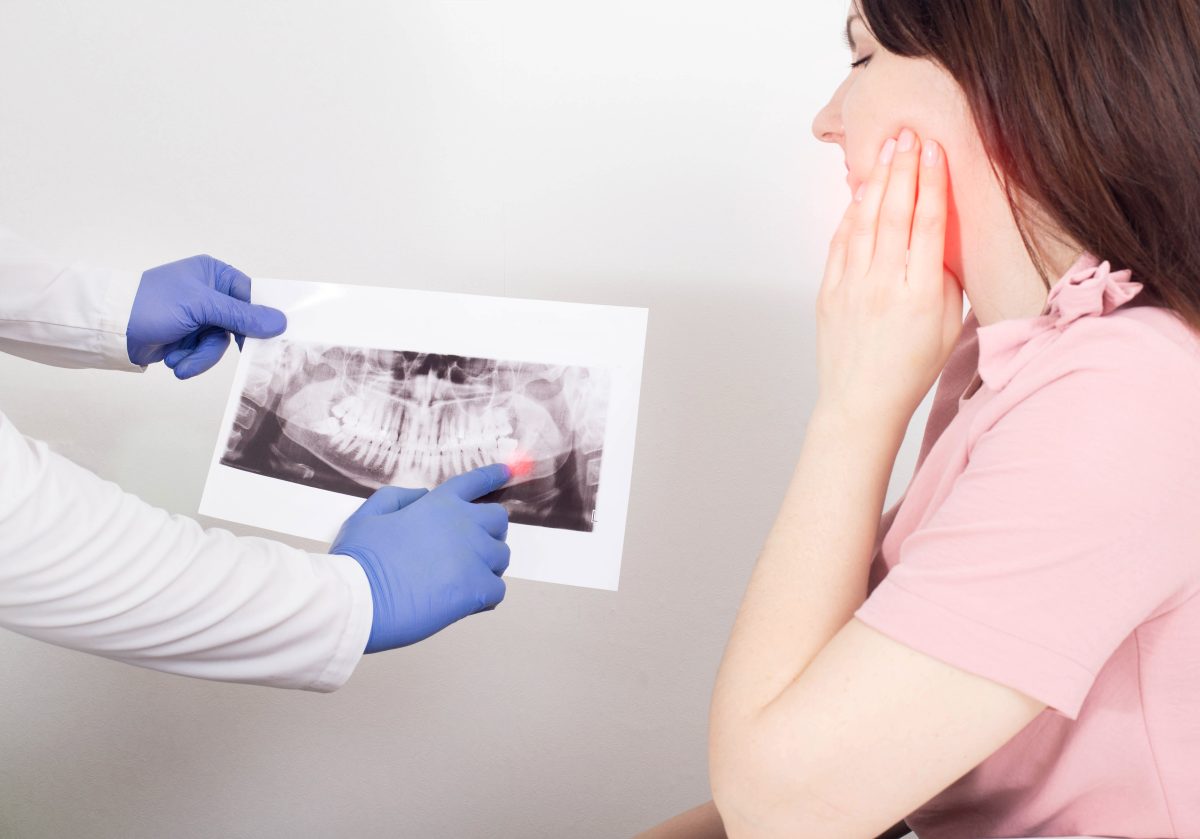
The emergence and extraction of wisdom teeth can be accompanied by discomfort, a common experience that often necessitates practical solutions. Wisdom tooth discomfort can be frustrating and can distract you from daily activities. That’s why it’s important to follow the advice of your dentist to help relieve discomfort. 

Continue reading below to find out what methods you can adopt to alleviate pain associated with wisdom teeth. By adopting these tried-and-true methods, individuals can find relief while awaiting the natural course of their dental development.

Expert Tips To Manage Discomfort Associated With Wisdom Teeth

  1. Saltwater Rinse:

A saltwater rinse is one of the simplest and most effective methods for managing wisdom tooth discomfort. Gargling with warm salt water acts as a natural antiseptic, reducing inflammation and cleansing the affected gum area. This routine not only promotes healing but also provides temporary relief from pain.

2. Over-the-Counter Pain Relief:

Non-prescription pain relievers, such as ibuprofen or paracetamol, are valuable allies in alleviating wisdom tooth pain and swelling. These medications also work to reduce inflammation associated with the removal of wisdom teeth. Pain relievers block pain signals, offering individuals a degree of comfort during this transitional phase.

3. Cold Compress:

For immediate relief from pain and swelling, applying a cold compress to the cheek is a tried-and-tested approach. The cold temperature numbs the affected area, providing a soothing sensation and diminishing discomfort. Applying the compress in 15-minute intervals can effectively manage acute pain associated with emerging wisdom teeth and surgery associated with wisdom teeth removal. 

4. Avoiding Certain Foods:

Dietary adjustments can play a pivotal role in managing wisdom tooth discomfort. Opting for soft, easy-to-chew foods while avoiding crunchy or hard items minimises the risk of irritation and pain. This practical step ensures that the affected area is not subjected to unnecessary stress during the healing process.

After wisdom tooth surgery, your orthodontist should provide you with a list of foods and beverages you can and shouldn’t eat/drink. 

5. Topical Anesthetics:

Over-the-counter gels or patches containing benzocaine can be applied topically to numb the affected gum area. This localised anesthesia offers targeted relief, making it a suitable option for individuals experiencing discomfort, specifically at the site of emerging wisdom teeth.

6. Maintain Oral Hygiene:

Despite the discomfort, maintaining oral hygiene is crucial during the emergence of wisdom teeth. Gentle brushing and flossing around the affected area help prevent bacterial buildup, reducing the risk of infection. Consistent oral care contributes to overall comfort and accelerates the natural healing process.

After wisdom tooth removal, you should still brush your teeth, albeit gently. Avoid the surgery area until the healing process has worked its magic. 

7. Warm Compress:

Alternating between cold and warm compresses can be particularly effective in managing wisdom tooth discomfort. While cold compresses numb the area and reduce inflammation, warm compresses help relax jaw muscles, easing tension and discomfort. This dynamic approach provides a well-rounded strategy for coping with the challenges of emerging wisdom teeth.

Wisdom Tooth Infections in Australia

In Australia, wisdom tooth infections contribute significantly to oral health concerns. Each year, a substantial number of individuals seek dental care due to infections arising from impacted or partially erupted wisdom teeth. 

These infections can lead to symptoms such as swelling, pain, and difficulty opening the mouth. While effective management strategies exist, the prevalence of wisdom tooth infections underscores the importance of proactive oral care and timely professional intervention.

Manage Wisdom Tooth Pain With Dakabin Dental

Effectively managing wisdom tooth discomfort requires a combination of practical strategies and a proactive approach to oral health. While the tips above offer relief, it’s important to remember that individual experiences may vary, and persistent discomfort should prompt consultation with dental professionals.

If you find yourself grappling with ongoing wisdom tooth discomfort or suspect issues with your emerging teeth or after surgery, consider scheduling an appointment with Dakabin Dental. Our experienced team is committed to providing comprehensive dental care, offering tailored solutions to alleviate discomfort effectively. 

Book an appointment with Dakabin Dental today and take a proactive step towards maintaining your oral health during this transitional phase.


Dakabin-Dental-0029-1200x1800.jpeg


If you’re trying to find out how often you should see a dentist, the general consensus is typically every six months. It is recommended that you visit your dentist on a regular basis and as a rule of thumb, don’t wait until your teeth hurt to see the dentist!

We don’t want to scare you, but by the time you start experiencing a toothache, there might already be a serious underlying issue. So if it’s been a little while since your last checkup, do yourself and your teeth a favour and book an appointment with your local dentist today.

Get Proactive With Your Oral Health

Proactive care is more often than not a much better way to prevent health concerns. The same goes for your teeth!

  • Brush twice a day
  • Don’t forget to lightly brush your tongue
  • Floss daily
  • Use mouthwash
  • Don’t smoke
  • Invoke a healthier diet rich in vitamins and
  • Visit the dentist twice a year

These simple steps will help to prevent tooth decay and other tooth and gum-related diseases so that your oral hygiene is tip-top.

Dental Health Concerns That Come With Not Looking After Your Teeth

Here are some oral concerns that dentists regularly see – and help to treat and prevent:

  • Tooth decay
  • Wisdom teeth growth
  • Gum disease
  • Cavities
  • Root canals

If not prevented or treated with proper guidance from an experienced dentist, these concerns can become uncomfortable and painful. That’s why proactive care is essential for healthy teeth, gums and smiles.

Of course, we understand that some of these dental concerns can happen even when people have been kind to their oral hygiene.

Dakabin Dental are experts in smile makeovers and smile transformations and offer free consultations for those looking to boost their confidence with a healthy-looking smile.

Why Are My Teeth Hurting?

If you’re experiencing tooth pain, we recommend booking an appointment with your dentist as soon as possible. Although it may be nothing of concern, it’s best to have a checkup to rule out any issues like tooth decay and gum disease.

There’s no need to be alarmed, there are multiple reasons why your teeth might suddenly feel more sensitive than usual including:

  • Age – Developing sensitive teeth over time is a natural ageing process. You might need to switch your regular toothpaste for desensitising toothpaste.
  • Exposing your teeth to extremely hot or cold food and beverages
  • Your at-home whitening kit is damaging your gums
  • You’re over-brushing or brushing too hard
  • Acid reflux
  • Medications
  • The mouthwash you use is too harsh
  • Grinding your teeth – possibly in your sleep
  • Loose fillings

These are all common toothache and tooth sensitivity concerns that can easily be treated.

See The Dentist Twice a Year

Seeing the dentist bi-annually ensures that any problems with teeth and gums are caught early on and can be treated before they become more serious issues.

At Dakabin Dental, our experienced dentists provide comprehensive care in a friendly environment. We offer treatments such as cleanings, fillings, crowns, and root canal therapy to ensure your teeth stay healthy and strong.

In addition to preventive care, we also offer teeth whitening and smile makeover services that will help you achieve a brighter, straighter, confident smile! We believe in providing personalized care tailored to each individual’s needs because we understand how important it is to have healthy teeth and gums.

Schedule your appointment with us today and let our experienced professionals take care of all your teeth-related needs. You will be glad you did!


pexels-andrea-piacquadio-3808804-1200x800.jpg

Not sure what you’re aching teeth are a sign of? There are a few different things that aching teeth can be a sign of. For example, tooth decay or gum disease may be causing your discomfort. If you’re experiencing tooth pain, it’s important to see a dentist to determine the cause and get the appropriate treatment.

What’s Causing Your Teeth to Ache?

Toothache can be caused by clenching or grinding your teeth, which can put pressure on the tooth and cause it to ache. In some cases, a toothache may be caused by an abscessed tooth, which is a serious infection typically caused by a cracked or broken tooth. If you have an abscessed tooth, you’ll need to see a dentist as soon as possible for treatment.

Here are a few things that might be aiding in your toothache worries:

  • You clench your jaw (and your teeth) when you’re feeling certain emotions (anger, frustration, concentration etc)
  • Using mouthwash multiple times a day
  • Extreme endurance training
  • Stuffed sinuses
  • Nerve damage
  • Using at-home whitening kits
  • An acidic diet
  • Not drinking enough water

If you’re not sure what’s causing your tooth pain, see a dentist so they can diagnose the problem and recommend the best treatment. Taking good care of your teeth and gums can help prevent toothaches from happening in the first place. Be sure to brush twice a day, floss daily, and visit your dentist regularly for checkups and cleanings.

Home-Remedies for Numbing Tooth Ache

If you’ve been experiencing oral or tooth pain for more than two days skip the remedies and book with your local dentist to have a checkup instead.

In the meantime, there are a few things you can do to help ease your toothache.

  1. Rinse your mouth with warm water, salt water, or a baking soda solution to help reduce swelling and inflammation.
  2. You can also try placing a cold compress on your cheek to numb the pain.
  3. If you’re still in discomfort, over-the-counter pain medication may help. Be sure to follow the instructions on the packaging and never exceed the recommended dosage.

With proper care, your toothache should eventually go away. But if the pain persists or gets worse, be sure to see a dentist as soon as possible.

What We Can Do To Help

Dakabin Dental is passionate about oral care and we want to see all of our patients walk away with confidence and winning smiles.

If you’ve been experiencing any sort of oral discomfort or low self-esteem caused by your teeth, we’ll give you a general dental checkup and a perfect smile makeover to have you grinning your widest tooth grin again in no time.

Don’t let walking around with a painful expression on your face be normal. Book online with Dakabin Dental today and we’ll get to the root cause of your tooth pain.