
gallery-6.jpg

When it comes to teeth whitening, there are a lot of different options available. You can go to the dentist and get Zoom teeth whitening, or you can use a home whitening kits. But, which one is better?

With so many company’s promoting different options, sometimes it’s hard to cut through the noise. 

In this blog post, we will compare Zoom teeth whitening and home whitening kits to help you decide which one is right for you!

So what’s the difference between the two? 

Zoom teeth whitening is a professional treatment that is done at the dentist.

The in chair, dental methods uses a special light to speed up the whitening process, that can make your teeth 8 shades lighter in just one visit!

The strength of product used is far superior to any home whitening kits, which is why they are only able to be used by dentists. The down side to achieving your pearly whites…

Zoom teeth whitening is more expensive than home whitening kits. An in-chair Zoom whitening treatment will cost around $750.

Home whitening kits are as the name suggests, a teeth whitening option that is done at home. They can be great option if you want to save money or whiten your teeth at your own pace in the comfort of your own home. 

Home whitening kits usually take a few days to a week to see results and the whitening solution is not as highly concentrated as the in chair Zoom whitening option.
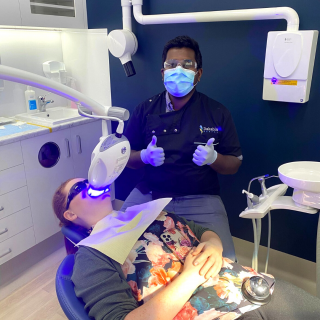
Zoom Teeth Whitening vs Home Whitening Kits

So, which one is better? 

If you want immediate results, then Zoom teeth whitening is the way to go. Zoom teeth whitening can make your teeth up to eight shades lighter in just one visit.

You can get results like this with Zoom teeth whitening. 
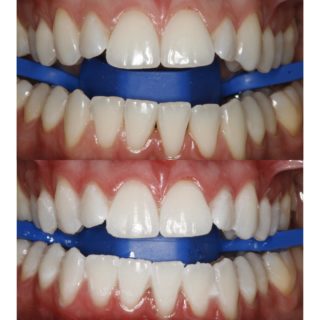
Teeth Whitening and Filling Treatment

If you want to save money or whiten your teeth at your own pace, then home whitening kits can be a great option. With home whitening kits, you can see some results in a week to a few weeks of consistent use.

Do you have any questions about teeth whitening? Leave us a comment below and we would be happy to help! Or click here to learn more about Teeth Whitening at Dakabin

If you liked this blog, click here to read more of our dental blogs.

gallery-3.jpg

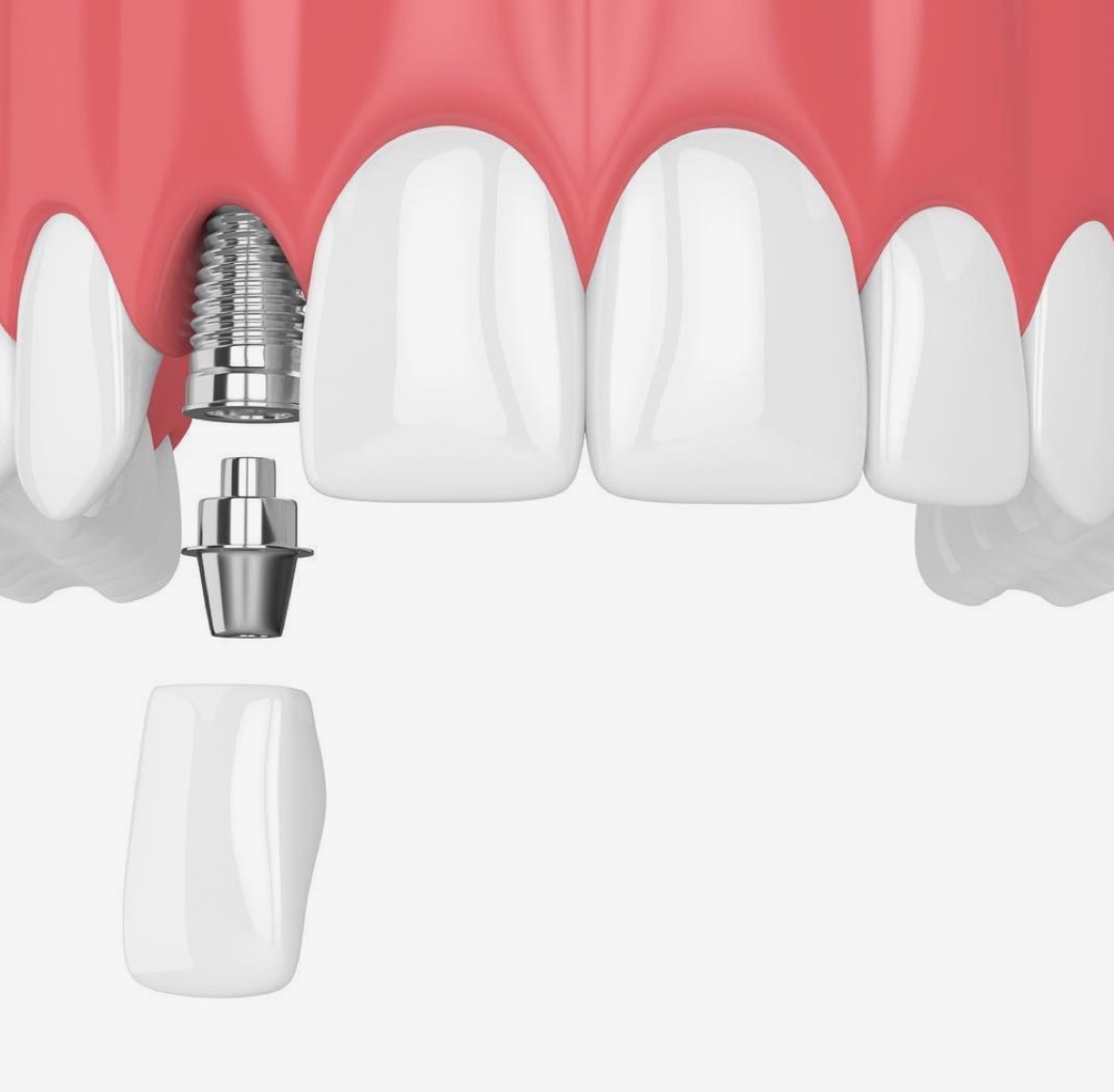
A dental crown is a restoration that is used to cover a tooth that has been damaged or decayed. Crowns can be made from different materials, including porcelain, gold, and metal alloys.

In this blog post, we will answer 10 frequently asked questions about dental crowns!

FAQ #1: What are dental crowns made of?

They can be made from different materials, including porcelain, gold, and metal alloys.

Porcelain crowns are the most popular type of dental crown because they look natural and are durable and can be colour matched to the rest of your teeth.

Gold crowns have been popular because they are strong and long-lasting. Metal alloys are not as popular because they can discolour the teeth.

FAQ #2: What are they used for?

Dental crowns are used to cover a tooth that has been damaged or decayed. Crowns can also be used to support a dental bridge, or to protect a tooth that has been weakened by root canal treatment.

FAQ #3: How long do they last?

Dental crowns can last for many years, but they may eventually need to be replaced. The lifespan of a dental crown depends on the material it is made from, as well as how well you take care of your teeth.

FAQ #4: What are the benefits?

There are many benefits, including restoring the function of a damaged tooth, improving the appearance of a tooth, and protecting a weak tooth from further damage.

FAQ #5: Are they expensive?

The cost varies depending on the material they are made from and where you get them done. Porcelain crowns are typically more expensive than gold crowns, 

FAQ #6: What is the procedure like?

The dental crown procedure usually takes two visits to the dentist. During the first visit, the tooth will be prepared for the dental crown and a temporary crown will be placed. During the second visit, the permanent dental crown will be placed.

At Dakabin Dental, we are able to perform these procedures in just one visit with no temporary crowns required.

Same‑day options are available for selected cases.

FAQ #7: Is the surgery painful?

Most people do not experience any pain during a procedure like this. However, you may feel some discomfort during the numbing process.

FAQ #8: Are there any risks?

There are very few risks associated with dental crowns. The most common complication is that the dental crown does not fit properly and needs to be replaced.

FAQ #9: How can I care for my dental crowns?

You should brush and floss your teeth twice a day and visit the dentist regularly for check-ups and cleanings. It is also important to avoid chewing hard foods, that can damage dental crowns.

FAQ #10: Do they fall out?

Dental crowns can fall out if they are not properly cared for. You should brush and floss your teeth twice a day and visit the dentist regularly for check-ups and cleanings to avoid this.

We hope you found this blog post helpful! If you have any further questions about this blog, leave a comment below and we will get back to you.

Assessment determines if a crown is appropriate. Same‑day options are available for selected cases.